
Meet Abdulkadir Ibrahim Mohamed,
Former Head of Information Management, Somali Explosives Management Authority (SEMA)
The challenge was clear. We had dedicated operators on the ground, but our information was fragmented... ”
I was born and grew up in Mogadishu, the capital of Somalia. I experienced many conflicts that took place there. My family and I moved around different districts of the city because of the fighting. Somalia’s mine action history started mostly with the war between Somalia and Ethiopia. After that, in 1991, the central government of Somalia collapsed and civil war broke out. There were conflicts between Somali warlords and later conflict between Islamic insurgents and the Government of Somalia, supported by the international community. All of these conflicts left explosive remnants behind.
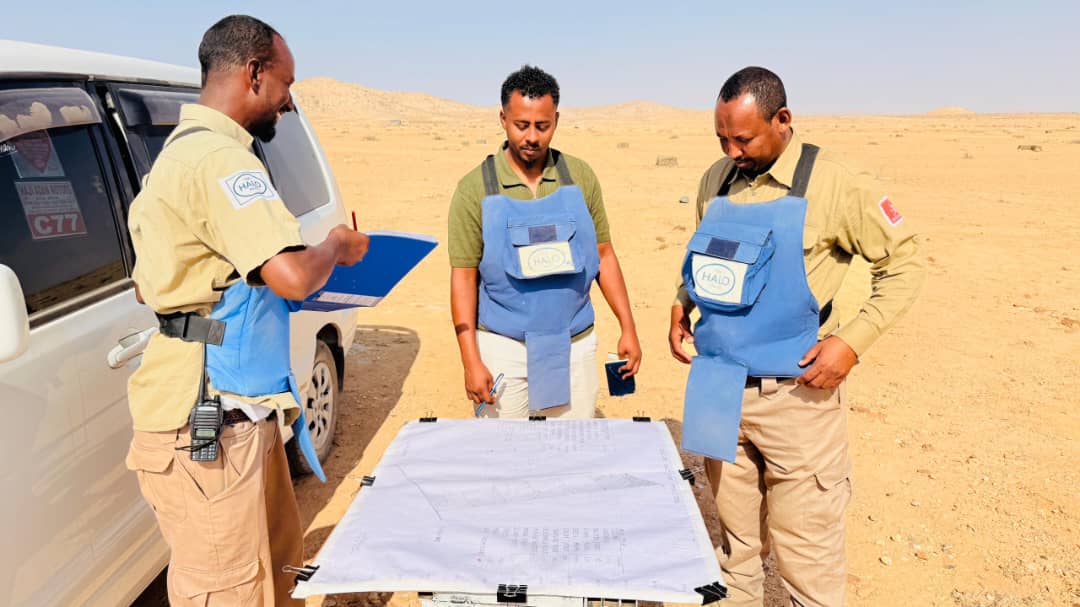
From my experience working in mine action, most landmines were laid along the Somalia–Ethiopia border. However, explosive remnants of war can be found throughout Somalia because fighting took place across the country. When I was studying, there was only one route I could take to reach the university, passing through one of the largest markets in Somalia. Other routes were blocked because of mines and unexploded ordnance.
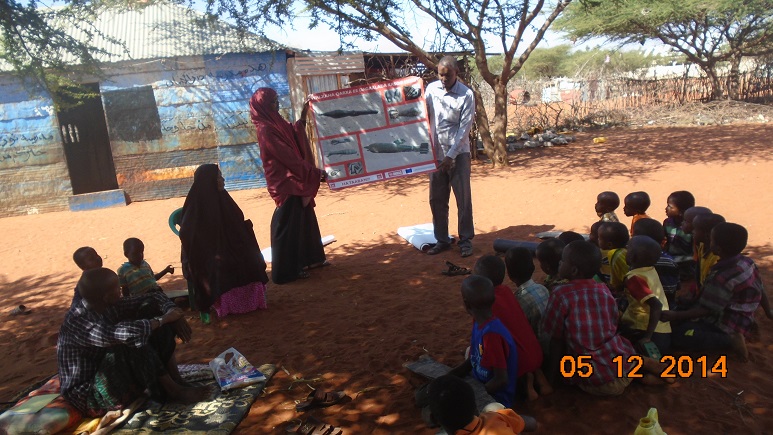
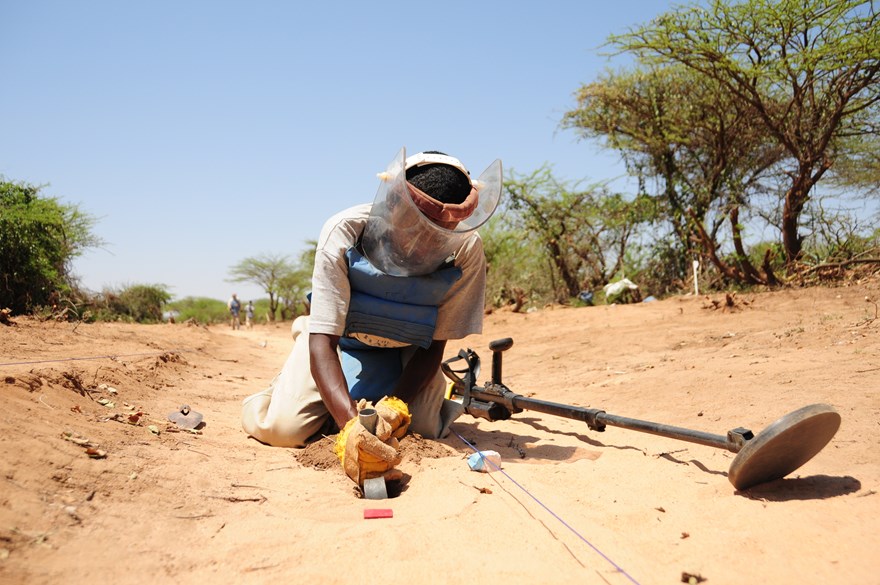
When I graduated from university early 2013, I started my career in mine action with MAG (Mines Advisory Group) International. I worked directly in the field with communities at risk as Mine Risk Education Team Leader. I remember working with families who could not use their land because of contamination and talking to children who did not know the difference between a rock and a piece of unexploded ordnance.
That experience taught me one crucial lesson: to save lives, you need to reach people with the right message. But to reach everyone who needs help, you first need the right information. That realization is what drives my work today as Head of Information Management at the Somali Explosive Management Authority (SEMA).
My job is to ensure that every decision, every demining team deployment, and every risk education session is guided by reliable and actionable data. I moved from talking to communities about risks to helping build a national system that protects them.
When I joined SEMA, the challenge was clear. We had dedicated operators on the ground, but our information was fragmented. Reports came on paper or through different systems that did not communicate with one another. Without a single source of truth, coordination was difficult and strategic planning was challenging.
My first major action was to lead the migration to a unified system, IMSMA Core. We now have a single authoritative system through which all operators report, giving SEMA and its partners a common operational picture for the first time. The benefits of having this system are significant. Somalia is a State Party to the Anti-Personnel Mine Ban Convention and the Convention on Cluster Munitions, which require annual reporting. One major benefit of having a centralized database is that we can now prepare and submit these reports efficiently. The system allows us to identify hazardous areas, prioritize activities, strengthen coordination, improve planning, and support evidence-based decision-making.
We have been working with GICHD since 2022, and they have supported SEMA in many ways. They not only provided support for the licenses but also helped build our capacity. Personally, I attended several trainings in Switzerland and Lebanon, which were very beneficial and have also presented at last year’s Innovation Conference. Without GICHD, I do not think we would have achieved what we have today.
We are no longer simply following international rules; we are building a sustainable, Somali-led system.