
Meet Manuela Barragan Rincon, Colombia Contra Minas (CCCM), Colombia
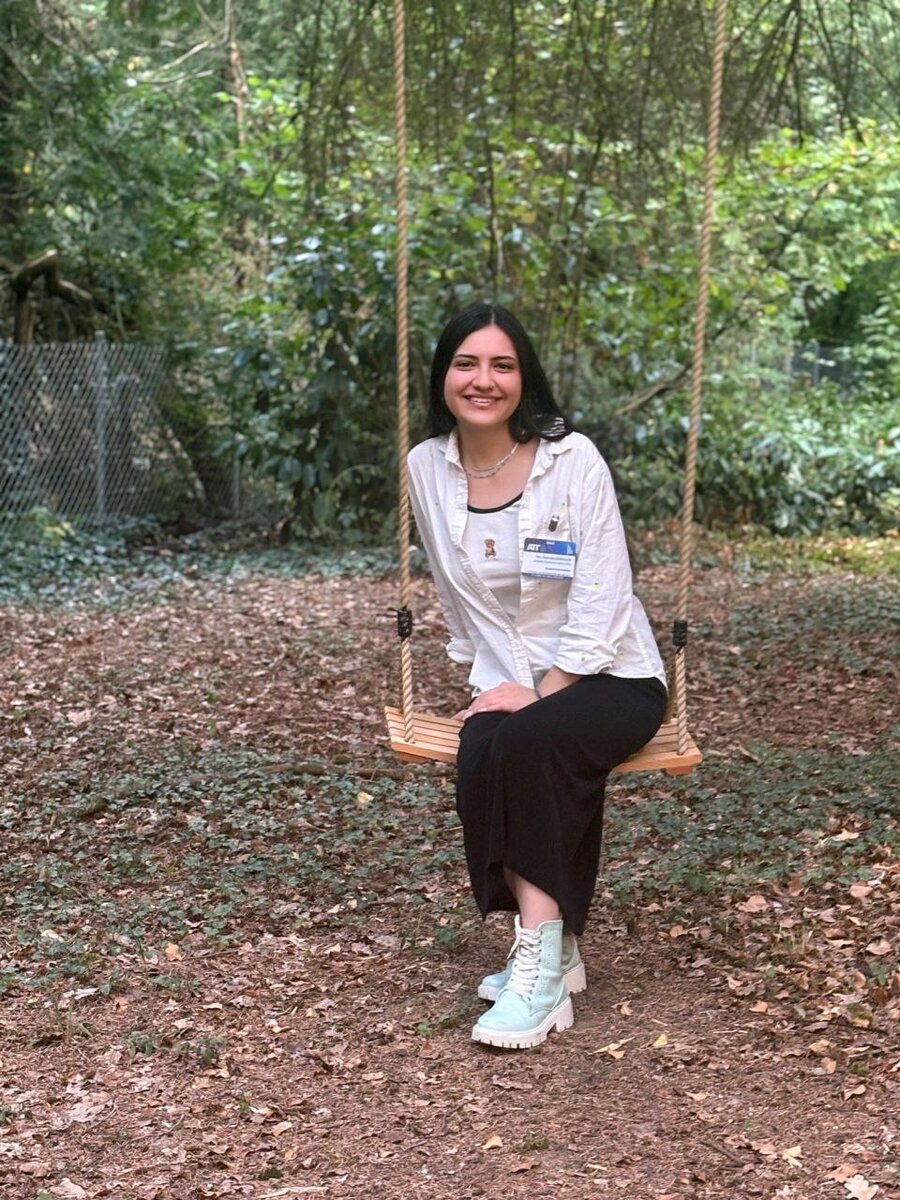
I started working at Campaña Colombiana Contra Minas (CCCM) in 2024, fresh out of university with a degree in anthropology and gender studies, and a deep curiosity about people. I grew up in Bogotá, where it’s easy to feel far removed from what happens in other parts of the country. Like many of my friends from the capital, I wasn’t really aware of the impact of antipersonnel mines in Colombia. That distance changed the moment I joined CCCM.
My path here wasn’t linear. I once dreamed of becoming a forensic anthropologist, until I took a class on gender and intersectionality. These classes opened my eyes to how deeply gender shapes every aspect of society. It’s complex, uncomfortable at times, and completely transversal to so many issues. I was hooked.
When I joined CCCM, I didn’t know much about demining, but I immediately saw how much it mattered. Our operational teams live inclusion and diversity every day, even if they don’t always call it that. They are curious, open, and willing to learn how to do better. That motivates me. At the same time, it hasn’t been easy. Humanitarian demining has long been dominated by military men, and as a 24-year-old woman, being taken seriously in high-level meetings is still a challenge. I’ve seen firsthand how excluding voices leads to real operational mistakes. Change is happening, but it takes time.
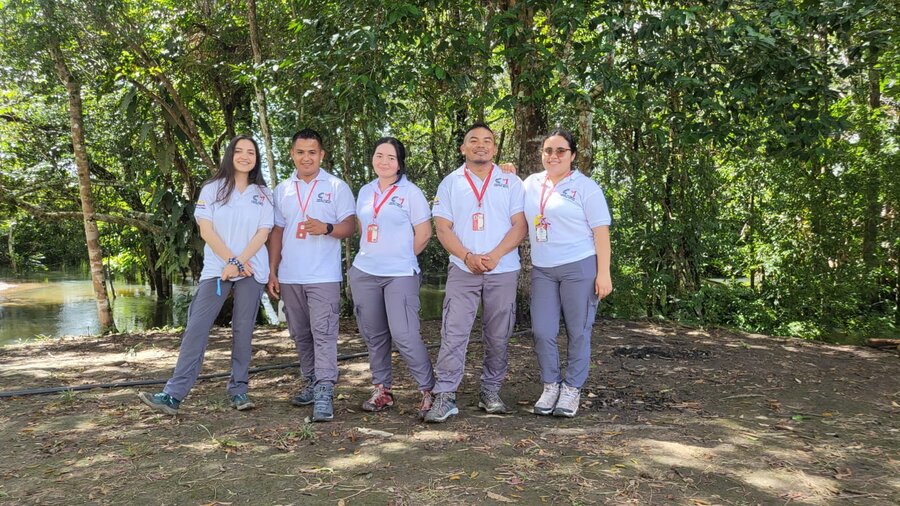
The Gender Focal Point training came at a crucial moment. I had just taken on more responsibility at CCCM and was still finding my footing. At first I was apprehensive because it was on the other side of the world for me and it would be the first time I travel on my own so far away but also because I felt self conscious about not coming from the mine action sector. But learning alongside and from peers from other regions, especially the Middle East, expanded my perspective and grounded my confidence.
When I returned to Colombia, I immediately began making our EORE programs more inclusive—thinking about children, people with disabilities, Indigenous and Afro-Colombian communities, and gender. The response was clear: this work was needed. And I now had the tools to tackle it.