
Meet Selma Antic, EORE/Risk Assessment Manager, NPA Bosnia and Herzegovina within the Mine Action and Disarmament Programme
Selma Antic who completed our Gender Focal Point training programme shares her story and talks about the importance of mainstreaming gender and diversity in her work.
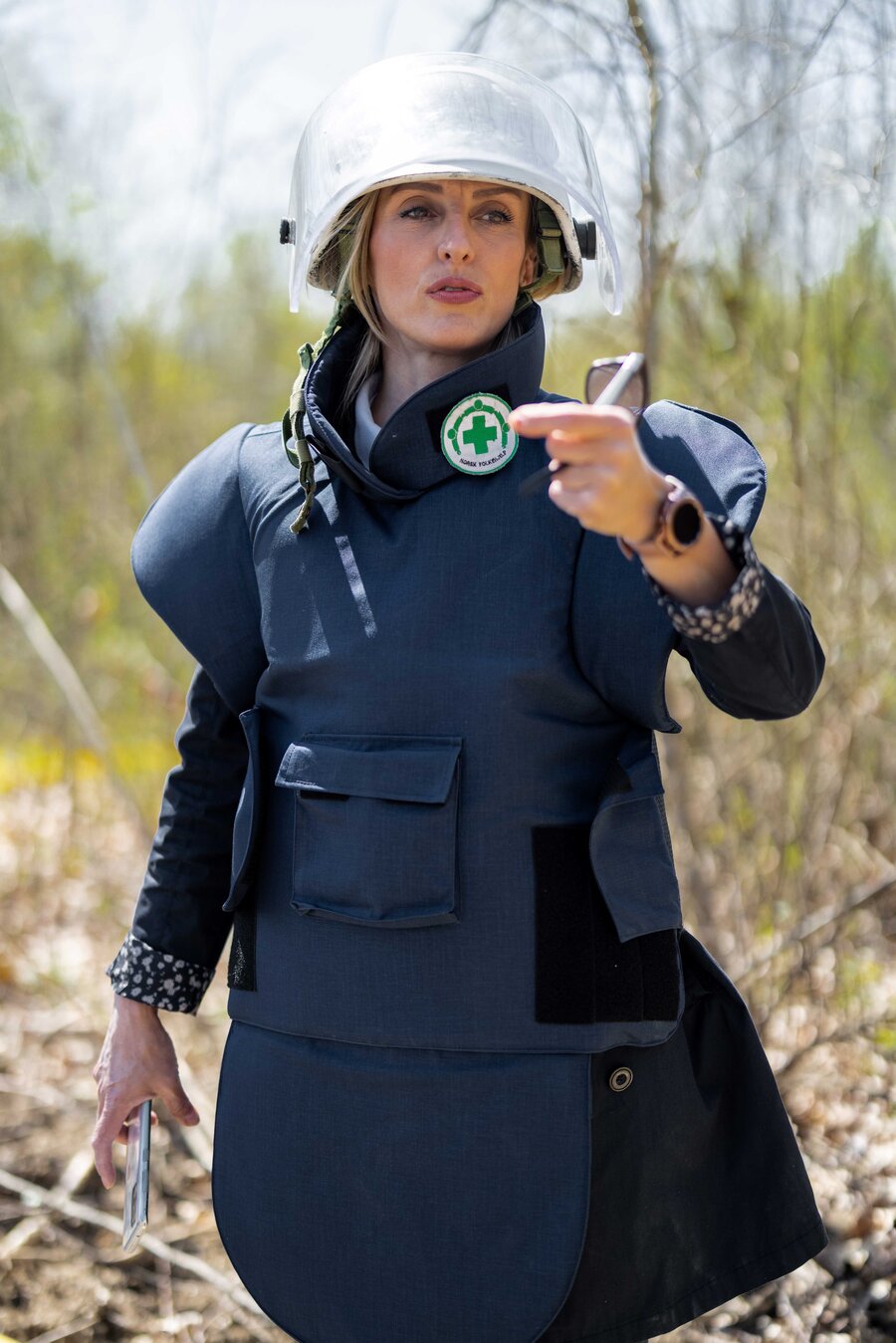
The first time meeting a community is always the hardest –as making a good first impression is the most important! In Bosnia and Herzegovina mine fields are often found in very distant, rural areas, without any internet. So, the main challenge for me working in Explosive Ordnance Risk Education for a non-governmental organisation is how to approach these people who have been living almost three decades with landmines in the ground all around them. Would they feel forgotten? Would they feel anger? –At me? Me in particular because I work for an NGO who hadn’t assisted them up until this point?
When we’re working with a new village, usually we follow this rule; “we don’t expect to finish the job”. Initially, we spend the whole day, sitting with the villagers inside or outside their houses. The day goes by with us sitting with them, speaking about the normal, everyday things happening in their lives. While this is mainly to get to know the communities, what we’re really doing is getting to know everything about their culture, the traditions, and spirit of the local hospitality in the village or community. Of course this is an assessment too in some way, we’re also observing people’s behaviour when they’re in close proximity to suspected hazardous areas. Then, for the second visit, we’re all in and we roll out the work that needs to be done, even the manual demining teams will come back to these villages with us.
I can say that my “Aha moment” came when I realised that our traditional Explosive Ordnance Risk Education material wasn’t resonating with the women and girls in certain communities affected by landmines. We had been trying to deliver standardized lessons that were ignoring the specific needs of these groups, including people with disabilities. The breakthrough happened when we decided to involve local women in developing the content with us. Their inputs made the material relevant. It encouraged broader participation. This shift taught me that EORE is best when it comes directly from people who live with the risks, not from our far-away offices. This approach includes everyone regardless of their gender or background, giving each the opportunity to protect themselves from landmines and explosive ordnance. I’ve been working in this sector for over 20 years. Early on in my career, I noticed that mainly men attended EORE sessions, although women are the key educators in families. By including the voices of the more marginalized, explosive ordnance risk education becomes truly effective.