
Meet Vitalina Shevchenko, Mine Action Office, Ukraine
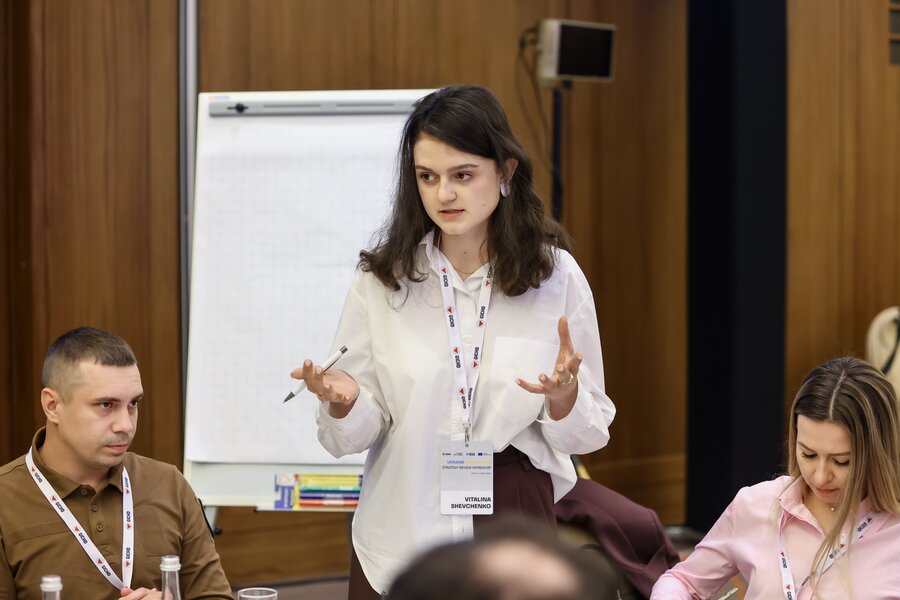
I never imagined I would work in the mine action sector. What I did know was that I wanted to end each day feeling I had made a small contribution—to my country, and to making the world a little better. That desire is what led me, unexpectedly, into mine action.
At first, I was hesitant. The sector felt complex and far removed from anything I had done before. But what quickly drew me in was the sense that everything was still being built—the architecture, the standards, the processes. Being part of something so foundational, and knowing my work could support those on the front lines, gave my role real meaning. I found myself genuinely fascinated by the process and proud to be involved.
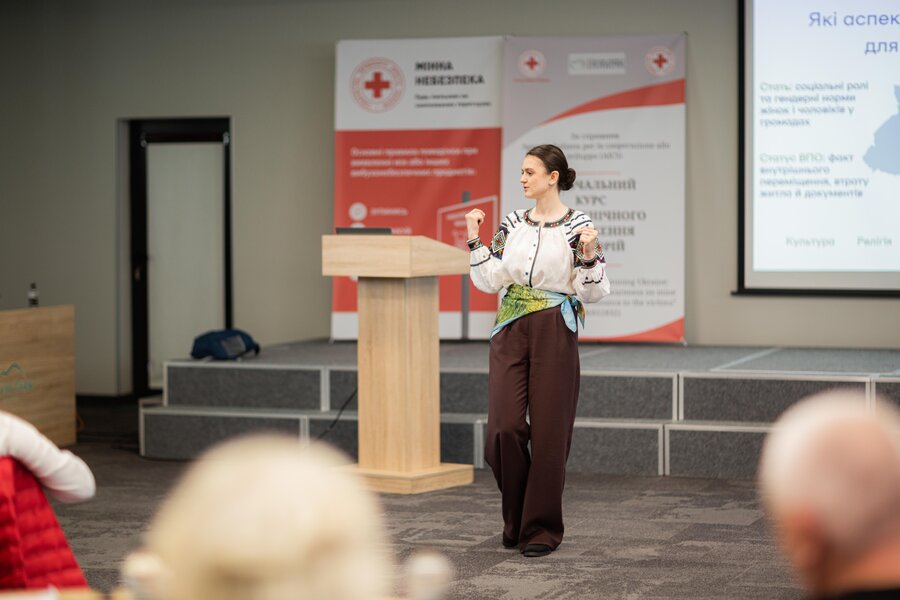
My work on Diversity and Inclusion in the sector followed naturally. It didn’t feel like a new task, so much as an extension of my values. A pivotal moment came during a workshop on accommodating people with disabilities. When I learned that the number of people with disabilities in Ukraine had increased from 15,000 to 100,000 annually, the magnitude became impossible to ignore. In that moment, I realized we no longer have a choice—neither as a sector nor as a nation—but to be inclusive. Because of the war, most civilian jobs need to adapt. Inclusion may not always be obvious, but it doesn’t have to be complicated or expensive, especially when state support is available.
That realization inspired me to co-develop methodological recommendations to help operators create more inclusive workplaces. When colleagues and operators began reaching out with questions and requests for guidance, I saw that these ideas were not just theoretical—they were practical and needed.
Participating in the Gender Focal Point training further shaped this journey. The selection process itself was a powerful example of inclusion done well: the group was genuinely diverse, and everyone benefited from it. Learning alongside participants from different countries and roles within mine action clearly showed why investing in diversity matters. Some of the most valuable lessons came not only from formal sessions, but from conversations—sharing experiences, challenges, and solutions across contexts.
Shortly after returning from the training, I was asked to conduct one myself on inclusive Non-Technical Survey and the “do no harm” principle. Being able to immediately apply the materials confirmed a belief I often return to: you don’t truly know something until you can use it or explain it to someone else.
The Gender Focal Point training further strengthened my approach to inclusion in mine action. reinforced my confidence. Knowing that others across the sector are working toward the same goal reassured me that, together each with our own daily small contribution, we are steadily making mine action—and the world—a little more inclusive every day.