
Meet Hiba Al-Sheikh
Works in the International Cooperation Department at the Syrian Mine Action Center,
under the Ministry of Emergency and Disaster Management.
Our goal is to rebuild Syria in a new way, creating a different reality and positive change for future generations.
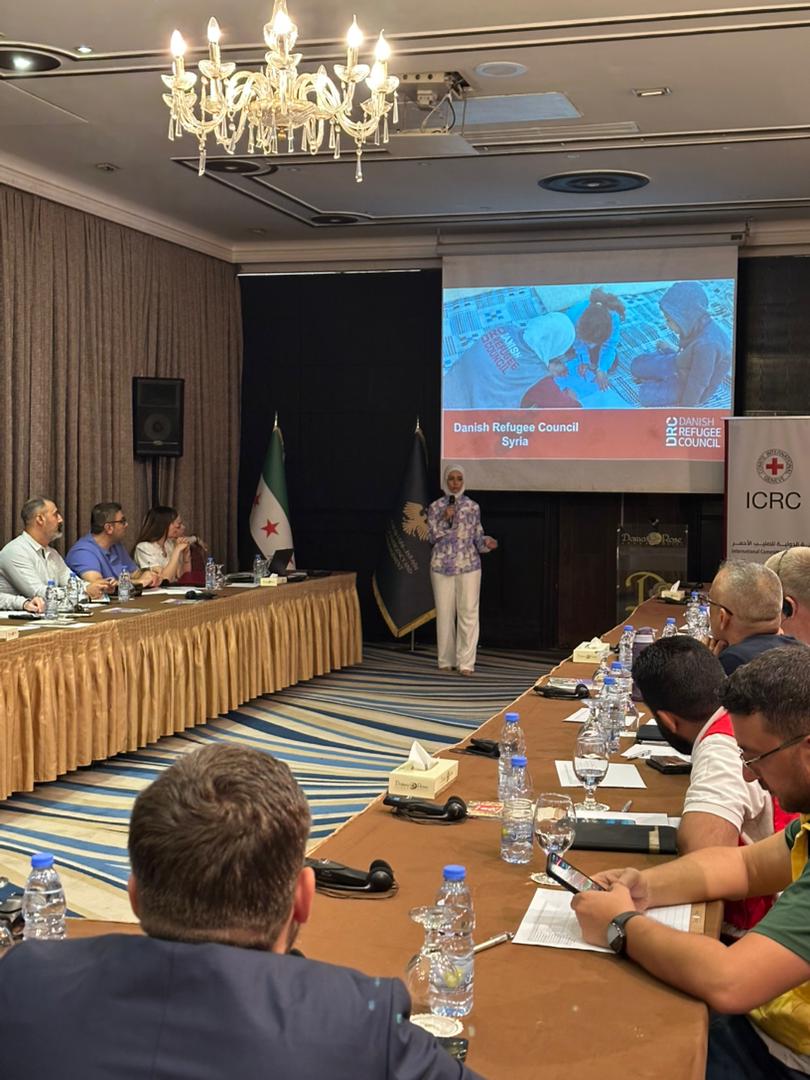
Regarding the early days of establishing the Syrian Mine Action Center, the biggest challenge was that it was under a newly formed ministry. We lacked budget, legislation, and an official status; everything was still in draft form. Even basic logistical requests were challenging. Initially, there was a lack of awareness about handling remnants of war, both among other sectors and the general population. For example, investors doing reconstruction projects would sometimes reach a point where they would come to us when they realized they first needed to clear remnants of war. This illustrates the importance and need for the Syrian Mine Action Center.
I got the opportunity to work at the Ministry of Emergency and Disaster Management. There’s a sense of responsibility; I want to help change the perception of the previous government. I started as an advisor to the Minister and then moved to International Cooperation at the Syrian Mine Action Center. I don’t have much technical experience in demining, just some basic awareness work and knowledge about war remnants. But those past stories always stayed with me and motivated me to enter this field.
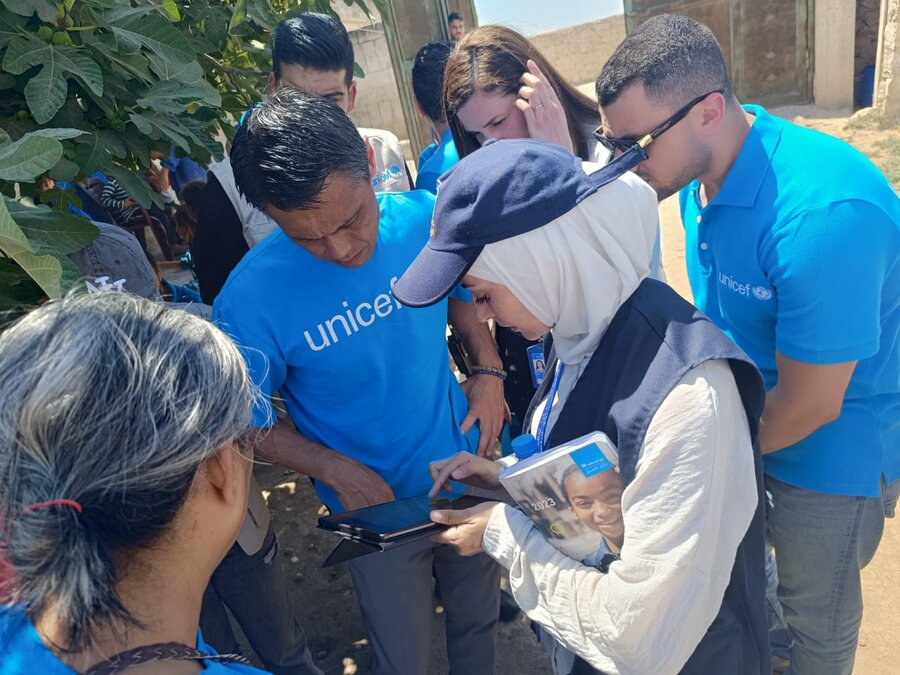
I started my professional career as a reporting officer in the Health and Nutrition Department under the Syrian Ministry of Health in the previous government. What led me into that field is my education, I have a master's degree in nutrition and food science. I later joined NGOs and charities which were supported by organizations like UNICEF and The World Health Organization as health and nutrition project manager. I learned more about how organizations operate — project processes, proposal writing, budgeting, and coordination with partners in the same area. My technical specialty there was health and nutrition, focusing on children from birth to five years suffering from malnutrition, as well as pregnant and breastfeeding women. I love this field; it’s very rewarding to see a child move from malnutrition to full health. It feels like giving life back to someone — to the child and the mother.
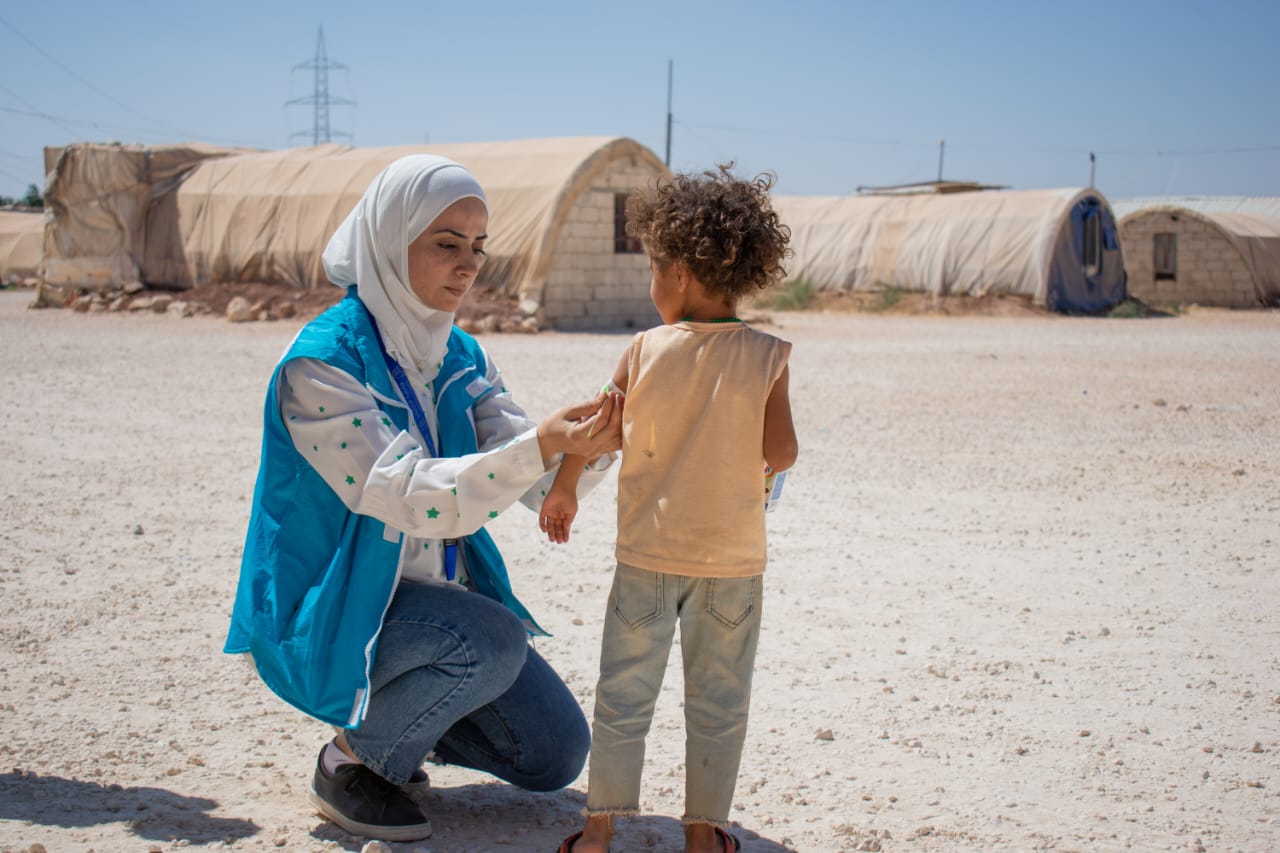
While supporting children and mothers, we worked on raising awareness about explosive ordnance. We heard many stories while conducting awareness sessions for children and their caregivers. Some children are naturally curious, and awareness sessions can sometimes backfire if not done carefully. I saw this firsthand, more than one incident, and it stayed in my memory.
One particular story that stays with me comes from awareness work. There was a Kurdish child in a camp in northern Aleppo who didn’t speak Arabic. Volunteers who spoke Kurdish helped us communicate. This child had an injury on his hand from war remnants; the first two fingers were affected. When we understood the situation, we provided awareness messages suitable for him. He memorized the brochures and would enthusiastically show them whenever our organization’s car arrived, repeating, “Don't touch, stay away, report it.” That child’s response remains a daily motivation for me, showing that our efforts truly reach and impact children, who are innocent victims of war remnants.
Hiba Al-Sheikh works in the International Cooperation Department at the Syrian Mine Action Center, under the Ministry of Emergency and Disaster Management. While participating in our Mine Action Managers Training in Damascus in January 2026, she took the time to tell us her story about how she joined the mine action sector.