Skip to content

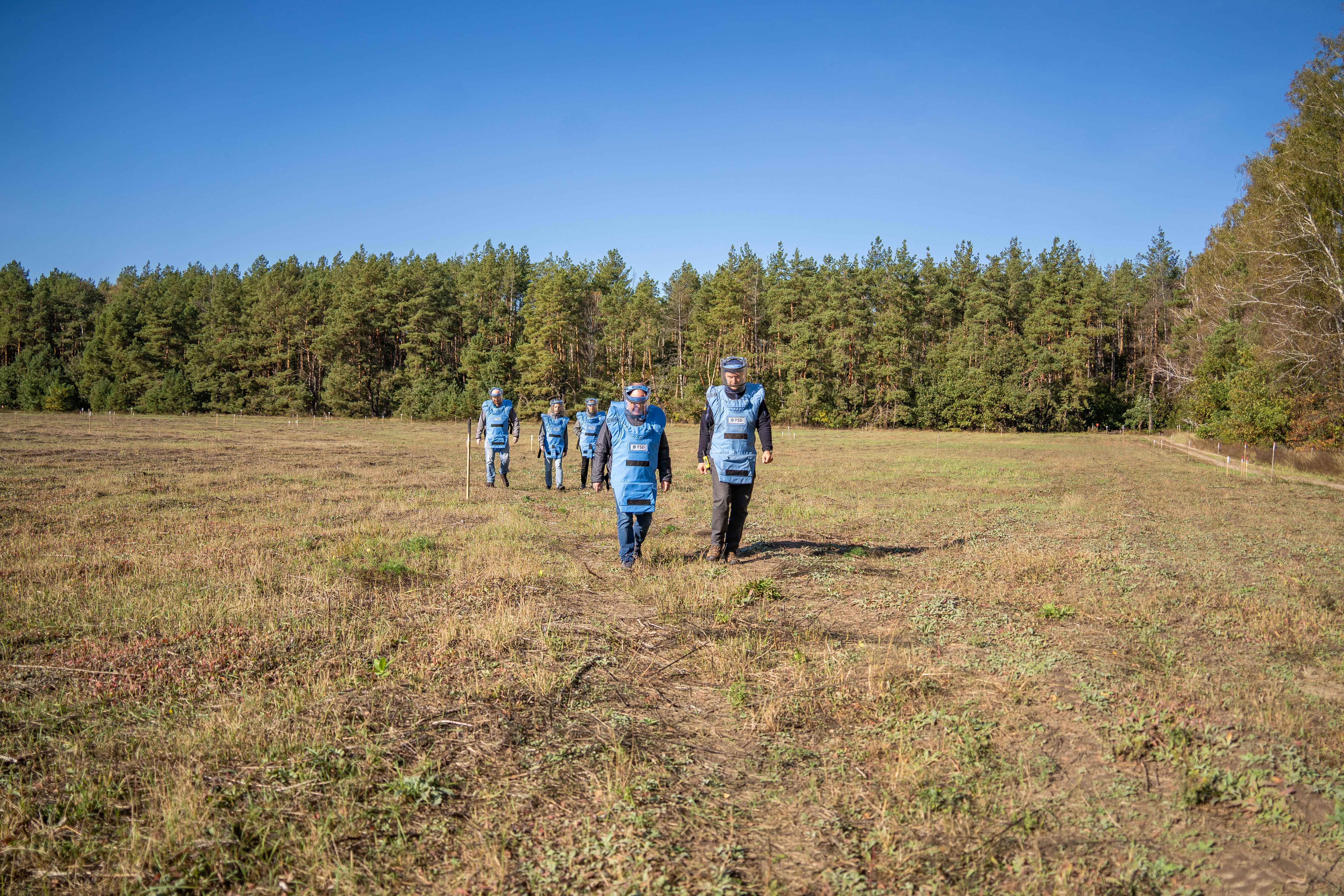
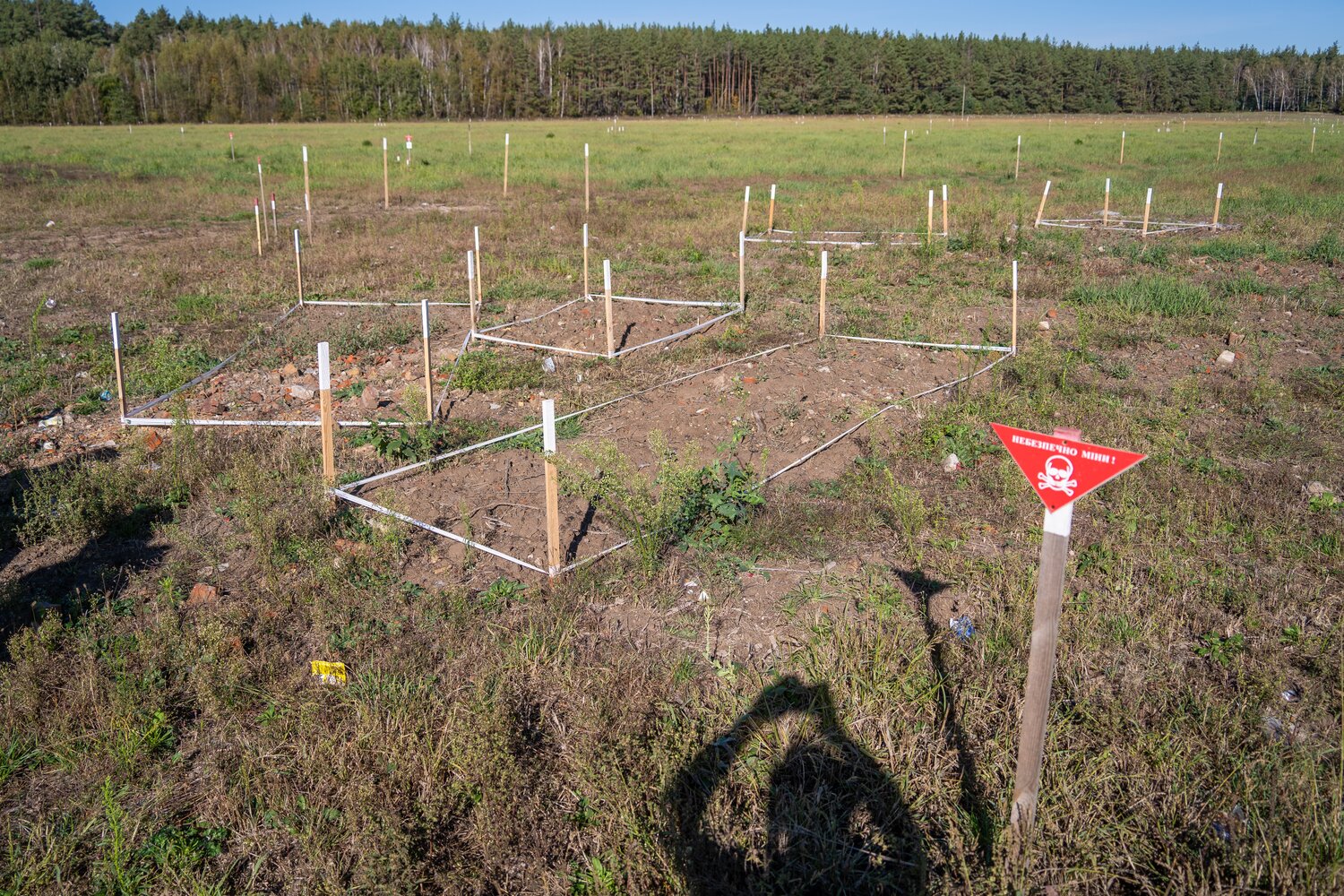
Since the full-scale invasion of Ukraine in 2022, landmines, cluster munitions, and explosive remnants of war have re-emerged as a major threat, extending far beyond active frontlines. An estimated 10 to 20 per cent of artillery shells fail to detonate, adding thousands of hazardous items on the ground each day. Around 132,000 km2 of land are suspected to be contaminated, with many agricultural fields unsafe to cultivate, directly affecting Ukrainian production and exports. The human impact is also significant. Since February 2022, more than 1,200 people have lost their lives due to landmines and explosive remnants of war. Demining is thus lifesaving and the foundation of agricultural recovery, economic stabilization, and long-term reconstruction.
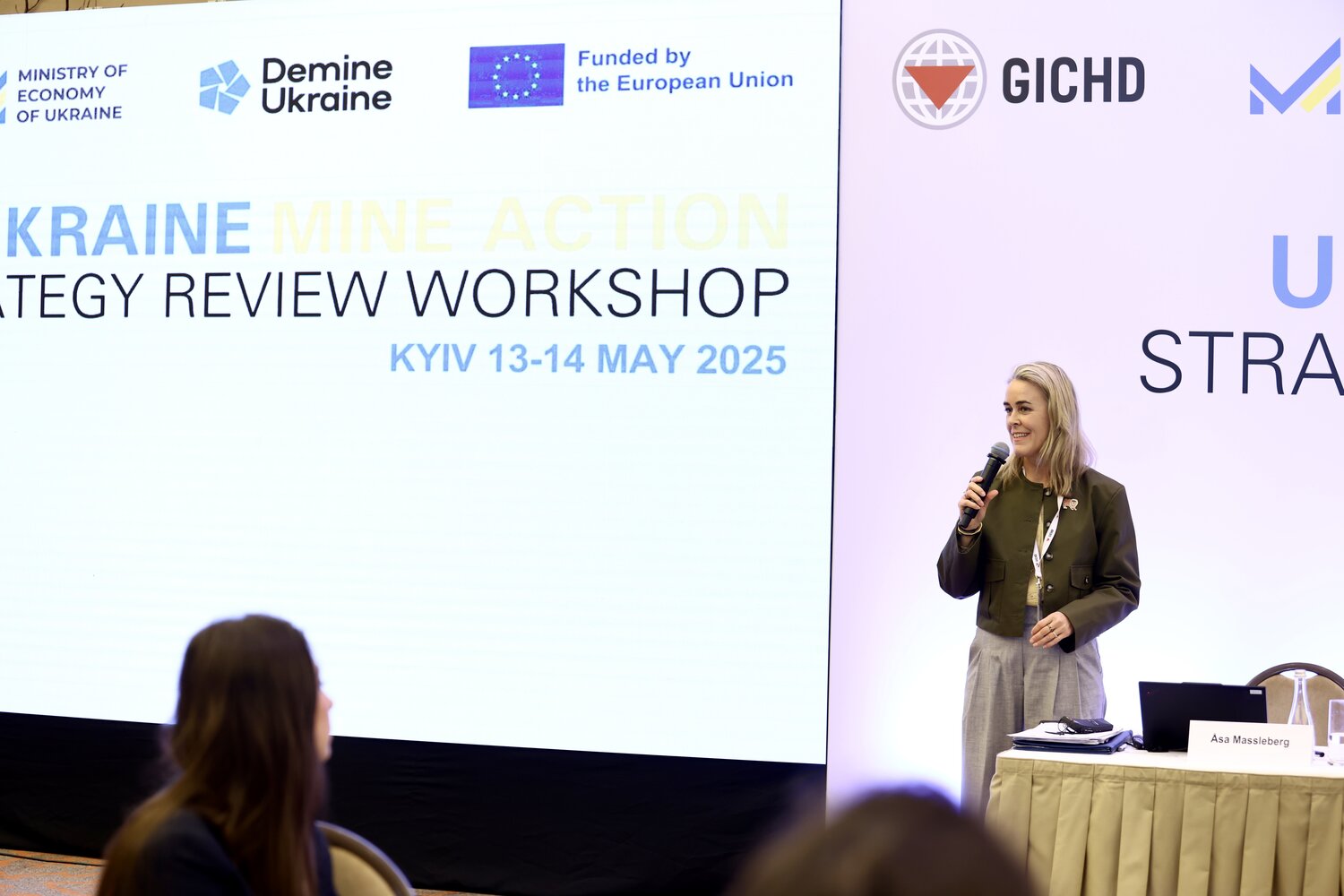
To meet these extraordinary challenges, efforts to strengthen national capacity and to foster international partnerships were expanded in 2025. Following the launch of the National Mine Action Strategy of Ukraine 2024–2033, the GICHD held a review workshop with the Ministry of Economy, Environment, and Agriculture. Since the approval of the strategy in June 2024, there has been substantial progress in implementing the related operational plan, with several key targets already achieved. The workshop assessed the progress made and helped adapt the strategy to the evolving context, ensuring that it remained aligned with the needs and priorities on the ground. The GICHD also co-facilitated the Ukraine Mine Action Partner Coordination Workshop and contributed significantly to the Ukraine Mine Action Conference 2025. Both events aimed to raise awareness of the importance of mine action in ensuring a safe environment for recovery and reconstruction efforts in Ukraine, while encouraging cooperation among international partners.

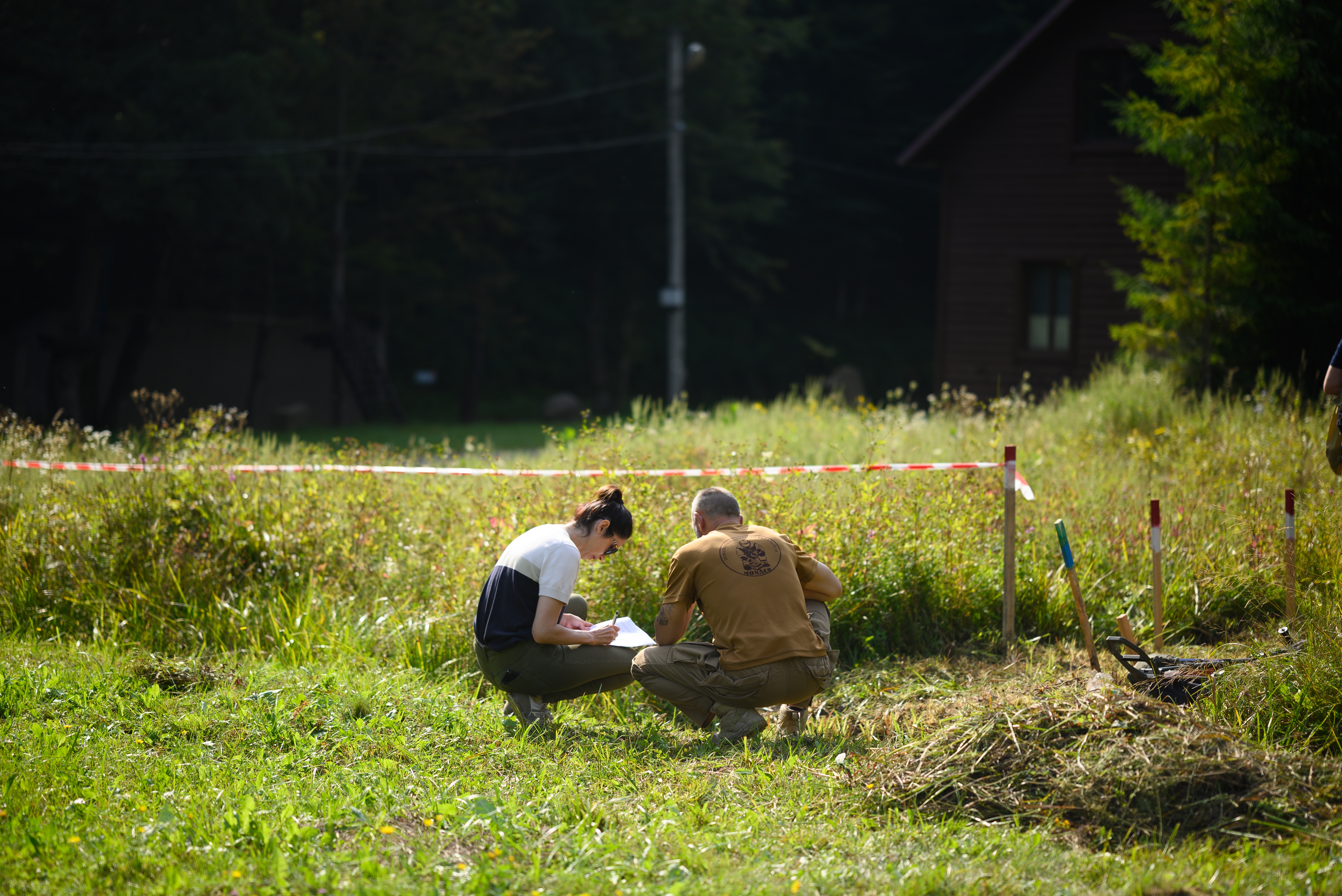
At the operational level, the GICHD Training of Trainers model, tailored to the needs of national authorities, equips participants with the technical expertise and skills required to train others. By helping national partners share their knowledge, it increases impact, develops national ownership, and contributes to building long-term, locally led capacity in mine-affected countries, including Ukraine.

“The Training of Trainers programme hosted by the GICHD on quality management and non-technical survey (NTS) was both useful and very timely. These programmes are highly valuable for developing practical skills, allowing trained personnel to pass on their expertise and prepare others to work in the field, which was especially crucial for NTS.

The training has been extremely beneficial for the entire system, It has enabled teams to share knowledge and to build skills across units. We established our NTS capacity last summer, and the teams are now actively working on the ground, and we plan to further intensify this work within our system."

Mr. Serhii Reva Head of the Mine Action Department at the State Emergency Service of Ukraine


In addition to there being major progress in mine action, there were also significant strides in ammunition management. The Ammunition Management Advisory Team at the GICHD remained the main international partner supporting the Ukrainian Ministry of Defence and the Ukrainian Armed Forces in improving their management of ammunition. The team provided advice and technical support, helped review training needs, organized national and international workshops, and delivered specialized training for Ukrainian military personnel. Such efforts led to the development and adoption of a 2026–2028 master plan for training and capacity building, creating a clear and coordinated path towards continued improvements in ammunition safety. The Advisory Team also supported the Ministry of Internal Affairs and the Organization for Security and Co-operation in Europe (OSCE) in developing the first draft of the National Road Map to Combat the Illicit Trafficking of Weapons, which includes control of the entire life cycle of weapons and ammunition.