Skip to content

Over the past five years, the Sahel region has seen a steady rise in and geographic spread of the use of improvised explosive devices (IEDs). The term is used to describe an explosive device placed or fabricated in an improvised manner, which makes the devices more difficult to identify, clear, and destroy. In the Sahel, these devices are used mainly to disrupt security force movements along roads and to prevent area access. Nevertheless, they also put civilians in great danger.
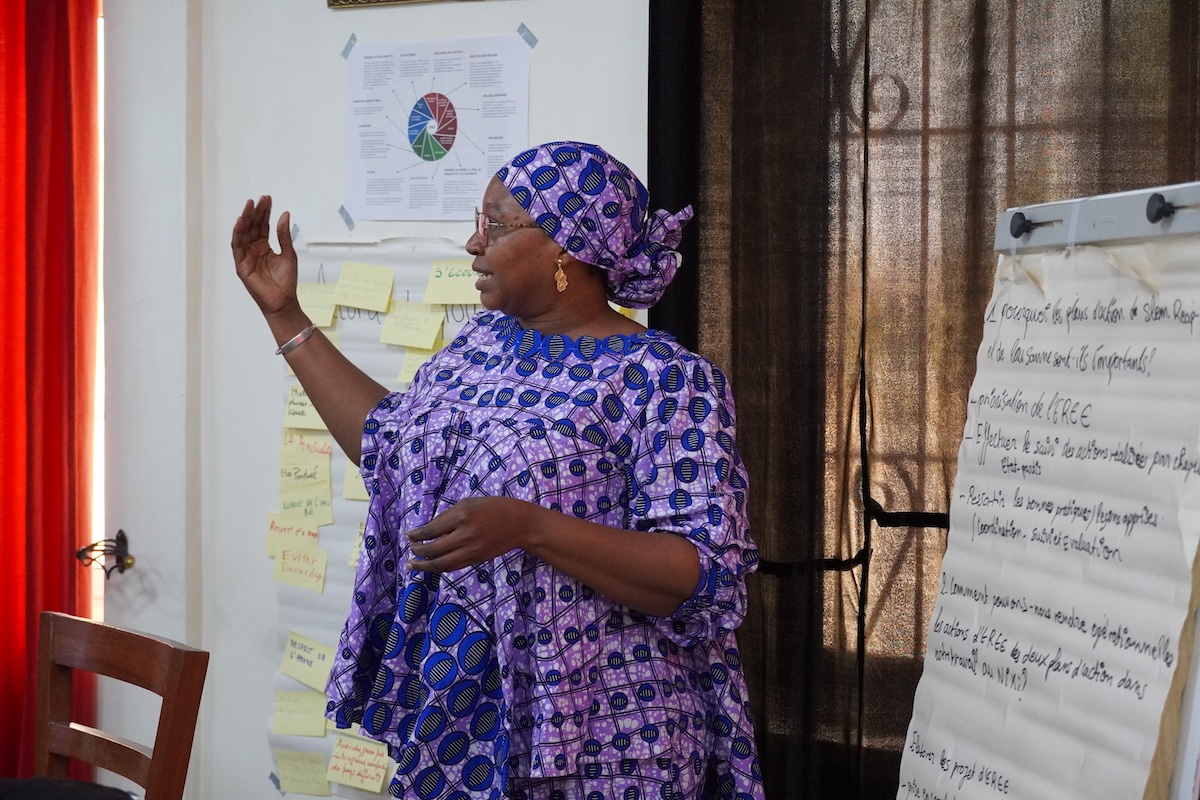
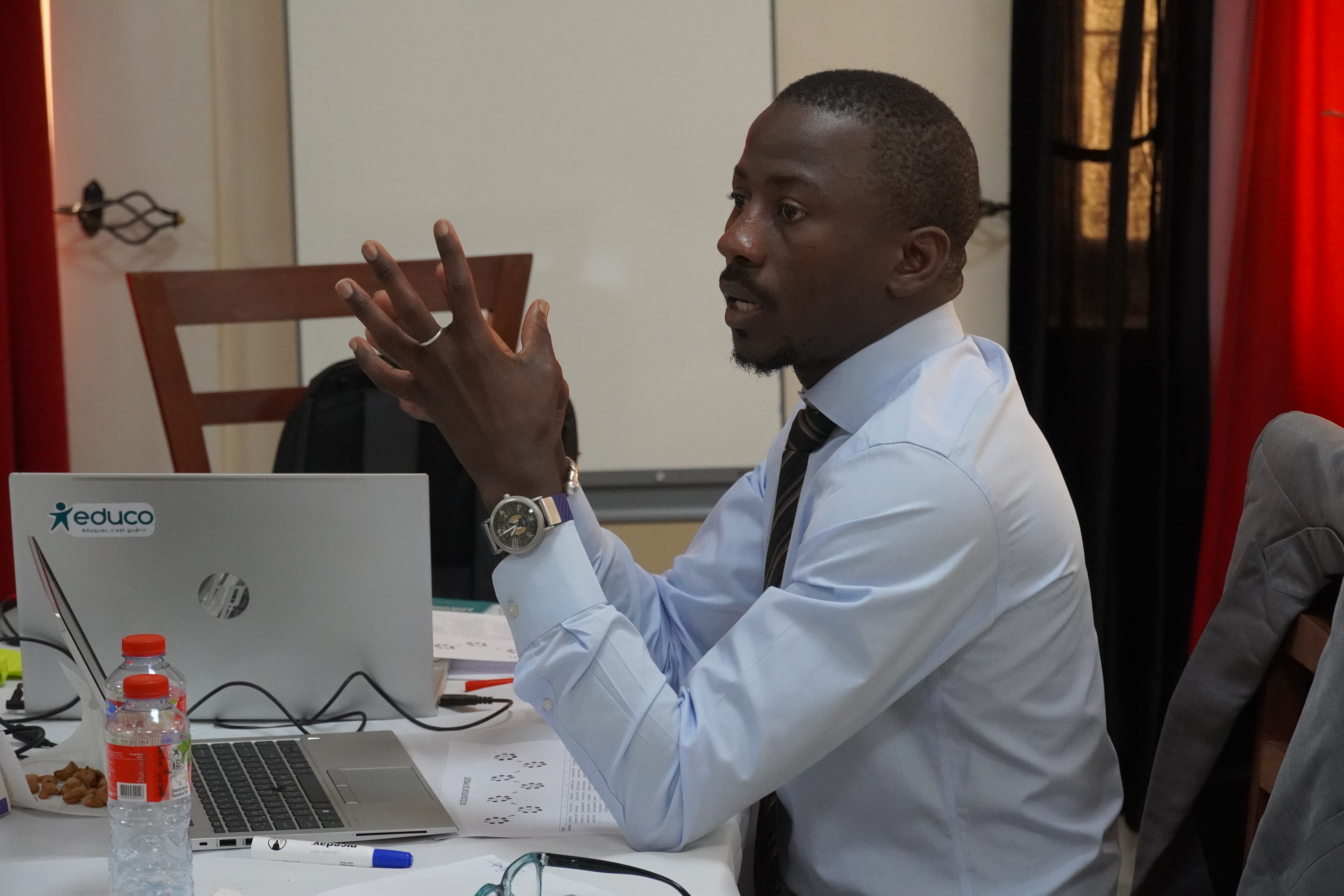
“Growing up, I reached adulthood without really knowing about explosive ordnance. As the crisis in Burkina Faso emerged around 2015–2016, the situation changed. We began to understand the impact on communities: blocked roads, isolated villages, and civilians severely affected.”

Mr. Kiswendesida Joseph Sawadogo Community Liaison Supervisor with the Mines Advisory Group

Between January 2020 and December 2024, at least 2,370 IEDs were recorded across Burkina Faso, Chad, Mali, the Niger, and northern Nigeria, resulting in more than 5,000 direct victims. Civilians accounted for around 40 per cent of the casualties. Due to reporting gaps, the true figures are however likely to be even higher. As in other affected regions, the impact is wider than people being injured or killed. The effects are also felt by the victims’ families and entire communities.

"These devices cause injuries and deaths, and people in your community can suddenly become victims. Some suffer life-changing injuries and can no longer carry out daily activities. Explosive ordnance restricts the movement of people and goods, disrupts trade, and limits humanitarian access, worsening living conditions.”

Giusfredy Aumar-Namsene Humanitarian Mine Action Programme Manager at DanChurchAid

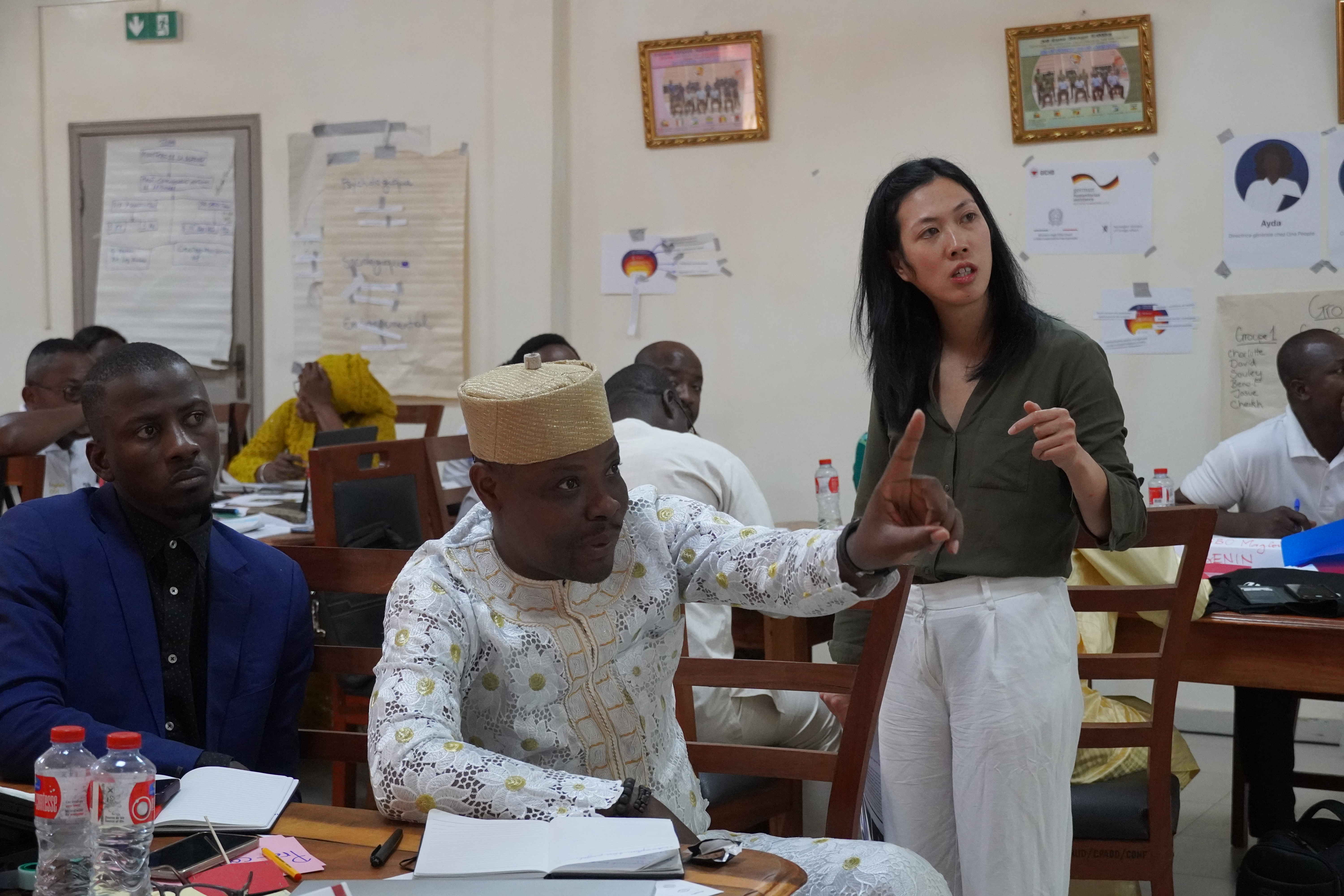
In 2025, both Joseph and Giusfredy participated in the first GICHD course on explosive ordnance risk education for project managers, held in Ouidah, Benin, in French. It brought together 23 participants from eight countries in West Africa. The training focused on applying the core principles of explosive ordnance risk education, understanding international obligations, strengthening national ownership, and developing advocacy strategies.

Joseph noted that the course improved his ability to design training tools, structure awareness activities, and develop documentation.

“It also gave me a broader understanding of explosive ordnance, especially IEDs, and how to use technical resources effectively,” he said about the GICHD training. “As a result, I have become more effective in training humanitarian staff and managing field teams, and I better understand the role of mine action within the humanitarian sector.”

Mr. Kiswendesida Joseph Sawadogo

In 2025, the GICHD also organized a training course on IMSMA Core, the GICHD’s global information management system for mine action, in Ouidah, bringing together 13 information management practitioners from Benin, Burkina Faso, the Central African Republic, Chad, the Democratic Republic of Congo, Mali, Mauritania, the Niger, and Senegal. Participants were able to gain a better understanding of information management and its use in mine action and to enhance their skills in the use and management of IMSMA Core.

In the Sahel, the GICHD is expanding its training in explosive ordnance risk education and information management in response to a growing and urgent need for capacity development across the region.