
Meet Anne Akello, Gender and Inclusion Advisor, MAG International
Understanding and addressing the different power dynamics will determine whether a project succeeds or fails.
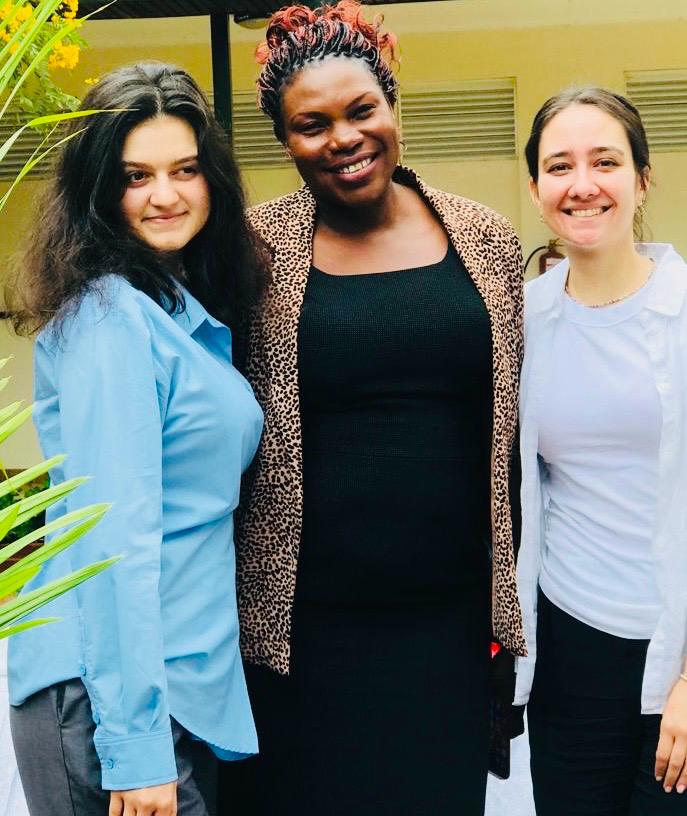
I often say my work is not something I do — it is who I am. I grew up in rural Uganda, in a zone shaped by conflict and uncertainty. I lived in camps, witnessed violence, and learned early how power and exclusion shape people’s lives, especially the lives of girls and women. I had to fight for my rights to belong, to be accepted, and to be allowed to thrive.
I also watched the women before me fight, most powerfully my grandmother. During my Master’s studies, her story returned to me with urgency. She lost her life fighting for her land simply because she was a widow and, as a woman, had no right to inherit it. Her struggle taught me that exclusion is not abstract, it determines who is heard, who decides, and who survives. It shaped my research and my resolve to focus on women’s inclusion in land-related rights and decision-making. After my studies abroad, I returned to Uganda to work in land related conflict management and peacebuilding I spearheaded land-related projects, some stalled by entrenched local power dynamics. When I stepped in, I realized that what made the difference was not a new technical solution, but perspective, lived experience, courage and empowerment I had local legitimacy and influence I understood my rights, and could navigate the social dynamics at play. By bringing the right actors together and reopening dialogue, the project moved forward. That moment boosted my confidence knowing that I could actually make a difference. It also made one lesson clear: understanding and addressing the different power dynamics will determine whether a project succeeds or fails.
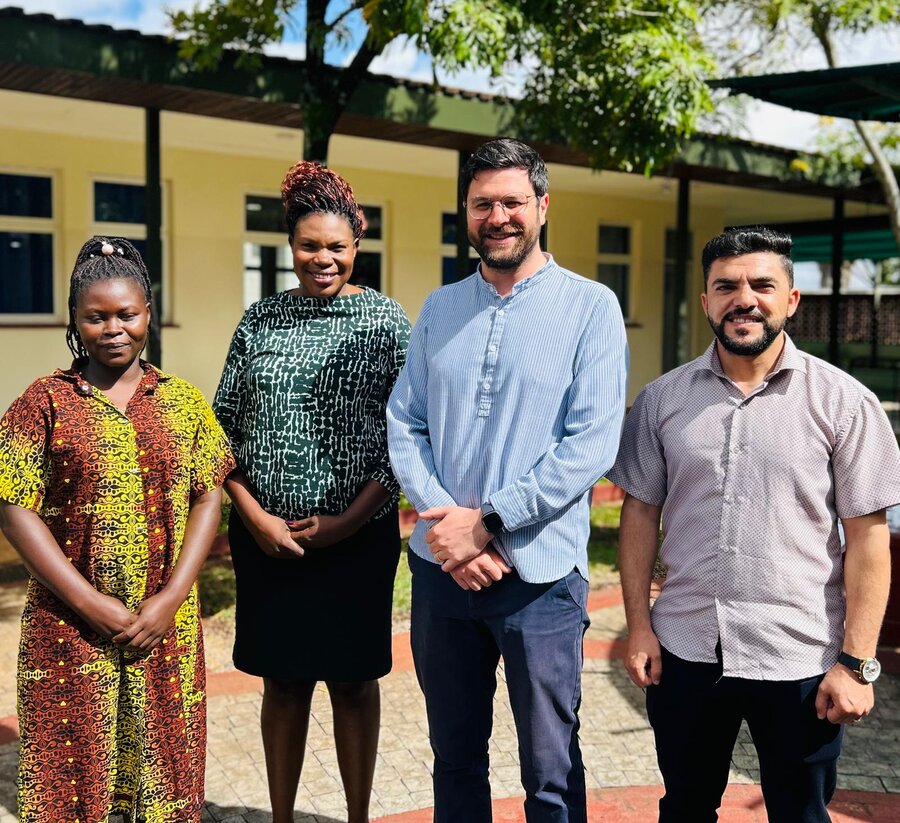
For the past six years, I have worked as a Gender Advisor for Mine Advisory Group (MAG), translating these lessons and my peacebuilding experience into mine action. The GICHD Gender Focal Point training came at exactly the right time. It strengthened my technical understanding of mine action and helped me translate inclusion commitments into daily operational practice. It pushed me to adjust my approach, focusing less on technical checklists and more on power, influence, legitimacy, empowerment and what is realistically possible.
A month after the training, I applied this learning immediately through a needs assessment and capacity-building workshop in Angola. I felt fully fluent in the language of mine action. Inspired by the training, I also started a MAG-wide community of practice to support Gender Focal Points. Sharing this knowledge feels essential.
This work brings together everything I am and everything I have lived. It is not simply what I do; it is how I show up, how I lead, and how I make space for others to belong and thrive.