Skip to content

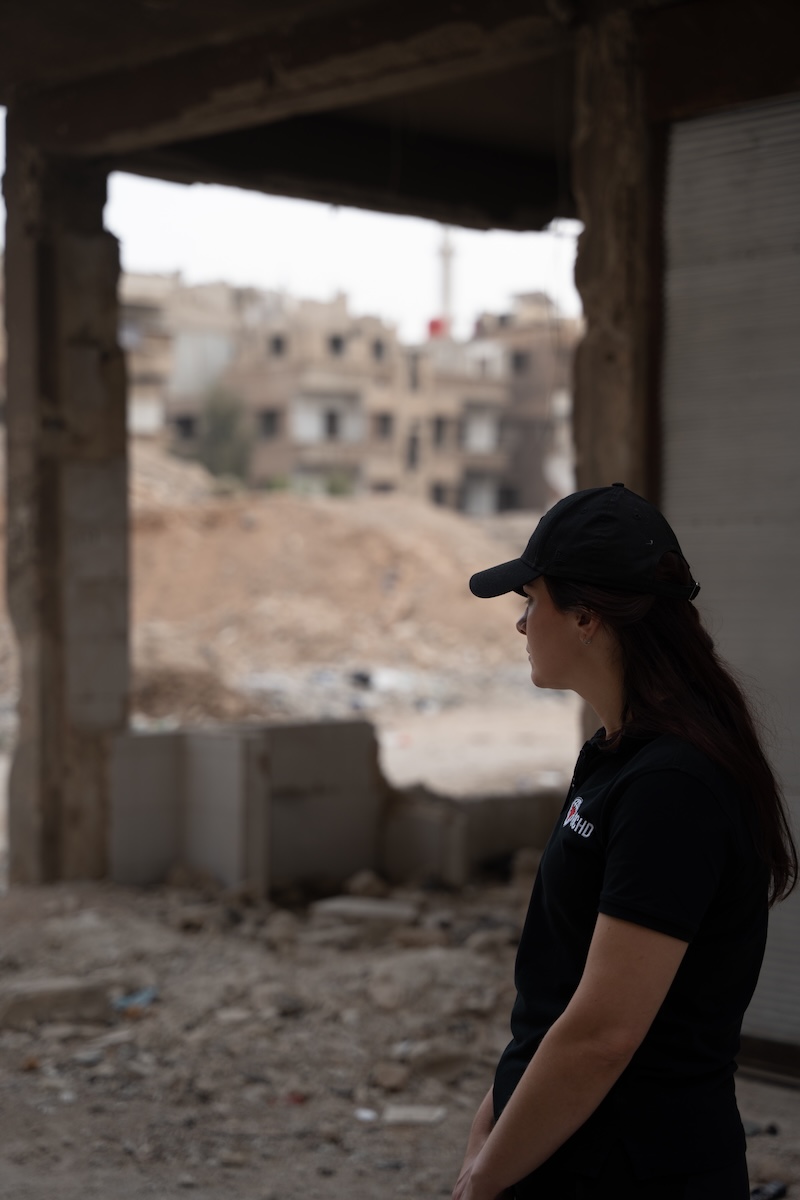
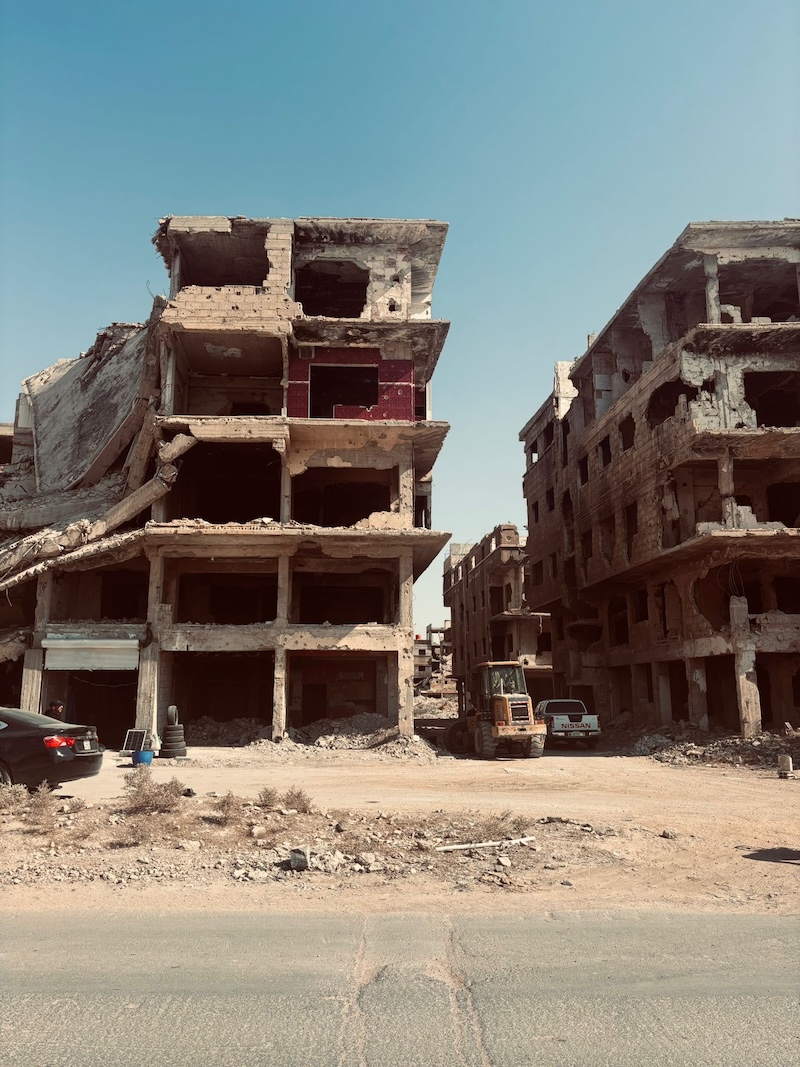
Over the past year, Syria has seen a sharp rise in incidents involving explosive ordnance, with occurrences nearly every day. Over 3 million Syrians, both those internally displaced and those who had taken refuge abroad, had returned to their homes by December 2025, according to UNHCR, the United Nations Refugee Agency. They however faced deadly risks when engaging in everyday activities. In 2025 alone, more than 1,600 casualties were recorded in the country, with civilians, particularly children, most affected. The presence of explosive ordnance in Syria limits access to basic services and to land, increasing humanitarian needs and slowing recovery.
Fadi Al Saleh, Director of the Syrian National Mine Action Centre under the Ministry of Emergency and Disaster Management, recalls his time as a volunteer before the Centre was established: “The region had absolutely nothing; no firefighting, no search and rescue, no awareness or safety programmes. … People were desperate, blocked roads, and lives at risk, just trying to survive. It was a very hard period because we had no support.”

Now heading of the Centre, Fadi reiterates the scale of the challenge and emphasizes the importance of training: “After conducting many visits to different areas in Syria in my new role with the Syrian National Mine Action Centre, I saw the scale and complexity of the contamination. We realized we were still in the most difficult phase. These visits reveal how dangerous the situation still is and the need for strong international support.”

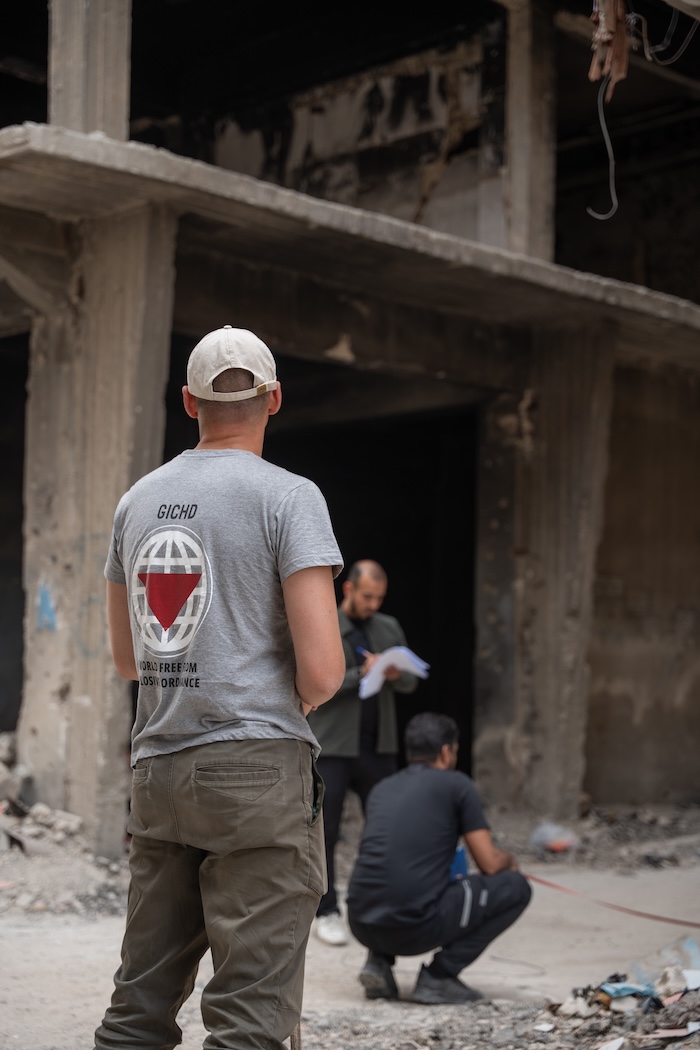
Since December 2024, the GICHD has worked with the Syrian National Mine Action Centre. In 2025, our Syrian partners requested GICHD assistance to build the centre’s capacity. The GICHD began convening workshops and training sessions in Damascus to support national efforts to reduce the human impact of explosive ordnance, helping the Syrians to identify the needs and build on existing efforts and partnerships. The GICHD contributes to strategy development, quality management, information management, and risk education, which are critical for saving lives in Syria.

We emphasize cooperation between local and international actors, the government, NGOs, and others in the sector. (…) This participatory approach is the only way to succeed in mine action.” 

Fadi Al Saleh, Director of the Syrian National Mine Action Centre under the Ministry of Emergency and Disaster Management

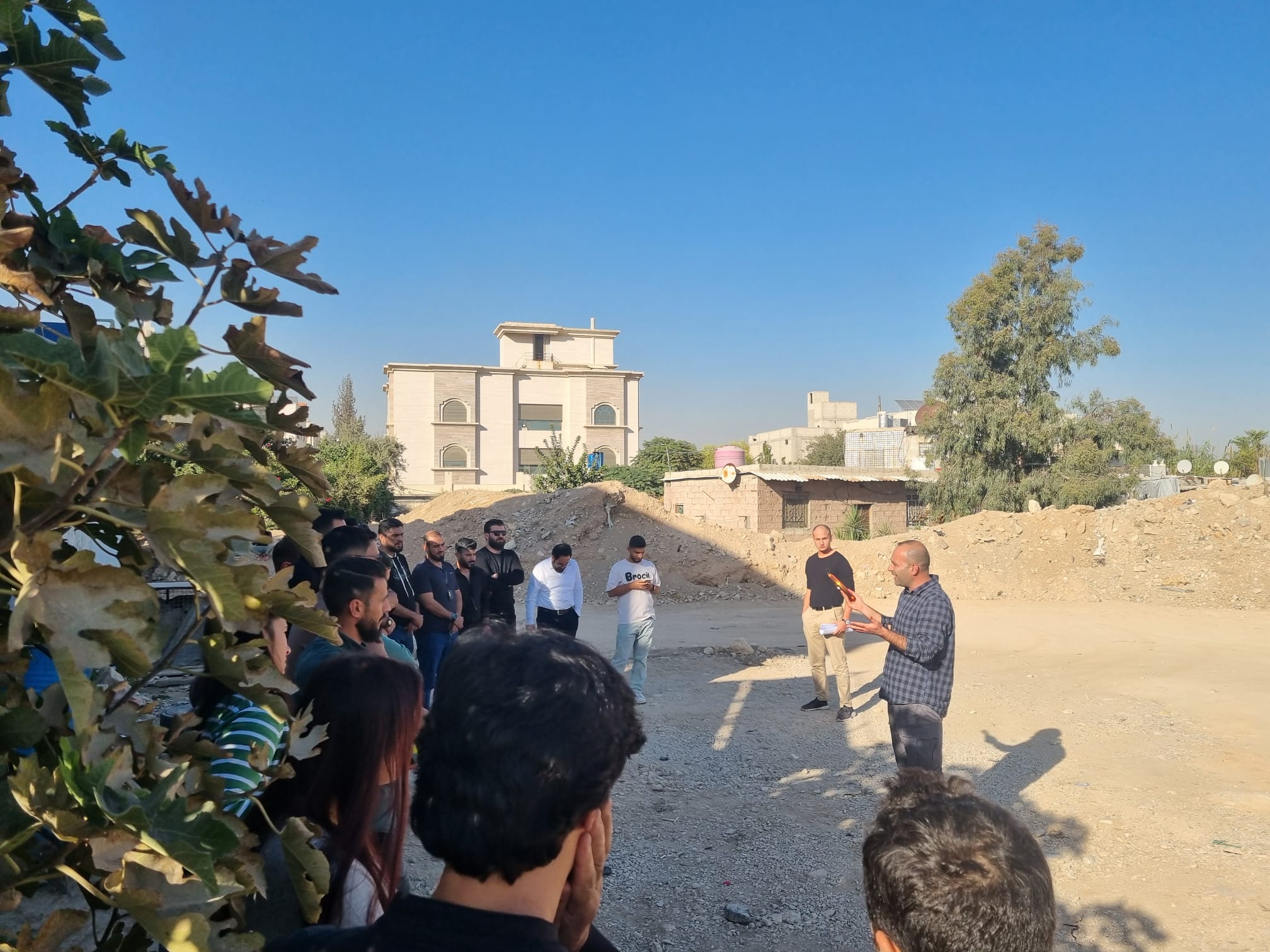
A highlight of the year was the training session on land release that equipped participants to assess and clear contaminated areas safely. Beyond the technical learning that took place, the session brought together, from across the country, people critical to Syrian mine action efforts, many of them meeting for the first time, to share experiences and learn from one another. In a challenging environment, these efforts help teams work more safely and in a more coordinated way so that they can better protect communities and save lives.